
SEEP builds on ecological and heterodox economics and political economy. You learn how economies depend on nature and society, and how to analyze growth, well-being, inequality and transformation beyond standard models.
You learn to analyze policy problems, actors and instruments, to write for decision-makers and to work on real cases from Austria and the EU. In Service Learning you apply your skills with partners from practice.
Whatever your background, Research and Policy Labs I and II give everyone the necessary base in coding in R or Python, policy analysis, academic writing and the responsible use of AI. You learn from peers with different backgrounds from across the globe.
Combine two of four specializations: Social Ecological Economics; Globalization and Social Policy; Globalization and Multi-Level Policy; and the Political Economy of Inequalities.
Around 60 students a year from many countries study together at WU, one of Europe's largest business universities. Through the Erasmus Mundus joint master EPOG-JM, SEEP is linked to partner universities worldwide.
The master’s program
SEEP is a two-year, English-taught master's programme in economics (120 ECTS) at WU Vienna. It teaches you to analyze economies as embedded in society and nature and to design economic policies for a just transformation–connecting theory, methods and practice from the first semester to the thesis.
The first semester equips you to think like a socio-ecological economist. You study the history and philosophy of science; international and European law, institutions and governance; and growth, well-being and development. Students from the social sciences learn to code in R or Python, students from economics, mathematics or the natural sciences learn policy analysis, and everyone practices academic writing and the responsible use of AI – all in Research and Policy Lab I.
In the second semester you start two of four specializations, take quantitative and qualitative methods–treated as equally important and taught in combination–and study actors, behaviours and decision processes. Everyone deepens policy analysis and research methods in Research and Policy Lab II.
In the third semester your specializations and methods continue, and Service Learning lets you work on real-world problems with partners from practice. The fourth semester is for your master's thesis.
SEEP is for you if you want to work as an economist or policy analyst in public administration, international organisations, NGOs, think tanks or consulting; prepare for a PhD; or pursue research and teaching.
- Admission
The master's program is aimed at graduates with a relevant prior degree worth at least 180 ECTS, including 16 ECTS in economics and/or social sciences, as well as excellent English-language skills.
Please read our guide for applicants and make sure that you meet the admission requirements. Don’t forget to look at our admission timeline and note the deadlines.
Further information on tuition fees can be found here.
- Program structure and content
1. semester 2. semester 3. semester 4. semester 1. half term 2. half term 1. half term 2. half term 1. half term 2. half term 1. half term 2. half term History & Philosophy of Sciences Is offered Is offered Is not offered Is not offered Is not offered Is not offered Is not offered Is not offered International & European Law, Institutions and Governance Is offered Is offered Is not offered Is not offered Is not offered Is not offered Is not offered Is not offered Growth, Well-Being & Development Is offered Is offered Is not offered Is not offered Is not offered Is not offered Is not offered Is not offered Introduction to Research & Writing on Contemporary Policy Challenges I Is offered Is offered Is not offered Is not offered Is not offered Is not offered Is not offered Is not offered Quantitative & Qualitative Methods I Is not offered Is not offered Is offered Is offered Is not offered Is not offered Is not offered Is not offered Concentration Area I* Is not offered Is not offered Is offered Is offered Is not offered Is not offered Is not offered Is not offered Concentration Area II* Is not offered Is not offered Is offered Is offered Is not offered Is not offered Is not offered Is not offered Actors, Behaviours & Decision Processes Is not offered Is not offered Is offered Is offered Is not offered Is not offered Is not offered Is not offered Introduction to Research & Writing on Contemporary Policy Challenges II Is not offered Is not offered Is offered Is offered Is not offered Is not offered Is not offered Is not offered Quantitative & Qualitative Methods II Is not offered Is not offered Is not offered Is not offered Is offered Is offered Is not offered Is not offered Concentration Area I Part II* Is not offered Is not offered Is not offered Is not offered Is offered Is offered Is not offered Is not offered Concentration Area II Part II* Is not offered Is not offered Is not offered Is not offered Is offered Is offered Is not offered Is not offered Service Learning I Is not offered Is not offered Is not offered Is not offered Is offered Is offered Is not offered Is not offered Service Learning II Is not offered Is not offered Is not offered Is not offered Is not offered Is not offered Is offered Is offered Thesis Colloquium Is not offered Is not offered Is not offered Is not offered Is not offered Is not offered Is offered Is offered Masters Thesis Is not offered Is not offered Is not offered Is not offered Is not offered Is not offered Is offered Is offered 1. semester 2. semester 3. semester 4. semester 1. half term 2. half term 1. half term 2. half term 1. half term 2. half term 1. half term 2. half term History & Philosophy of Sciences Is offered Is offered Is not offered Is not offered Is not offered Is not offered Is not offered Is not offered International & European Law, Institutions and Governance Is offered Is offered Is not offered Is not offered Is not offered Is not offered Is not offered Is not offered Growth, Well-Being & Development Is offered Is offered Is not offered Is not offered Is not offered Is not offered Is not offered Is not offered Introduction to Research & Writing on Contemporary Policy Challenges I Is offered Is offered Is not offered Is not offered Is not offered Is not offered Is not offered Is not offered Quantitative & Qualitative Methods I Is not offered Is not offered Is offered Is offered Is not offered Is not offered Is not offered Is not offered Concentration Area I* Is not offered Is not offered Is offered Is offered Is not offered Is not offered Is not offered Is not offered Concentration Area II* Is not offered Is not offered Is offered Is offered Is not offered Is not offered Is not offered Is not offered Actors, Behaviours & Decision Processes Is not offered Is not offered Is offered Is offered Is not offered Is not offered Is not offered Is not offered Introduction to Research & Writing on Contemporary Policy Challenges II Is not offered Is not offered Is offered Is offered Is not offered Is not offered Is not offered Is not offered Quantitative & Qualitative Methods II Is not offered Is not offered Is not offered Is not offered Is offered Is offered Is not offered Is not offered Concentration Area I Part II* Is not offered Is not offered Is not offered Is not offered Is offered Is offered Is not offered Is not offered Concentration Area II Part II* Is not offered Is not offered Is not offered Is not offered Is offered Is offered Is not offered Is not offered Service Learning I Is not offered Is not offered Is not offered Is not offered Is offered Is offered Is not offered Is not offered Service Learning II Is not offered Is not offered Is not offered Is not offered Is not offered Is not offered Is offered Is offered Thesis Colloquium Is not offered Is not offered Is not offered Is not offered Is not offered Is not offered Is offered Is offered Masters Thesis Is not offered Is not offered Is not offered Is not offered Is not offered Is not offered Is offered Is offered * Students choose two out of the four Concentration Areas:
1) Social Ecological Economics
2) Globalisation & Social Policy
3) Globalisation & Multi-Level Policy
4) The Political Economy of Inequalities
- Master of Science, MSc (WU)
SEEP graduates work as economists and policy analysts wherever economic, social and ecological questions meet:
– economic and social policy analysis in ministries, public agencies and social partner organizations
– international organizations and NGOs
– economic research in think tanks and research institutes
– consulting on sustainability strategies and transformation processes
– sustainability roles in business, green finance and social enterprises
– doctoral research in economics, social policy and sustainable development
Make your way

Policy Fellow at LSE
My interest in heterodox economics, aimed at understanding and tackling the biggest challenges of our time, led meto the SEEP master’s program at WU Vienna.

Advisor in the labor market and Integration Department, Chamber of LabourVienna
I wanted to gain a deeper understanding of economics and learn how global dynamics affect policymaking at the local level.
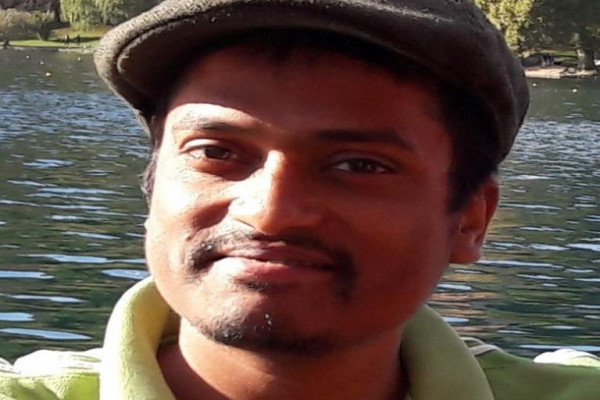
Systemic Risk and Resilience Researcher
I was drawn to the SEEP program by an awareness that social sustainability crisis imperils life on earth as we know it. SEEP expanded my horizons with transdisciplinary training.
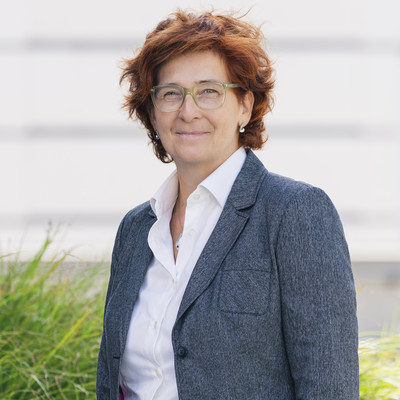
Living the student life

Contact persons
Tobias Artacker & Gabrielle Woleske
SEEP Program Coordinator
SEEP@wu.ac.at
Ask us
The SEEP Coordination team is here to help you on your way to the SEEP master’s program. If you have specific questions, please feel free to reach out using the online contact form or by email to seep@wu.ac.at.
* Required fields are marked with an asterisk (*).